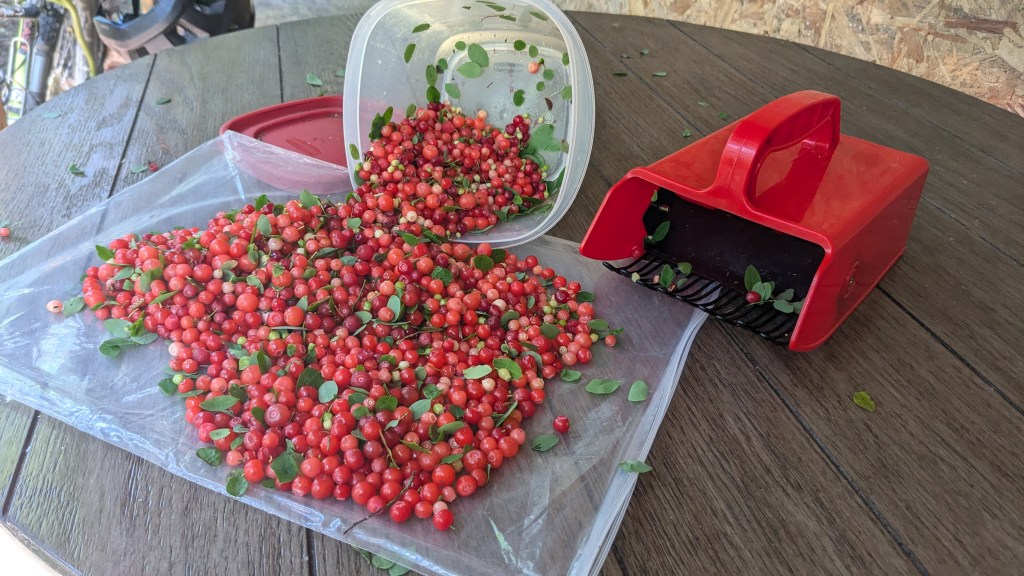
Red Huckleberry ❤️
Red Huckleberry ❤️
I put four 100 Watt solar panels on the shed and hooked them up to a solar generator. The tree canopy is pretty thick above the shed (as one can see in the timelapse below), and it should do much better when I set it up where it’s less thick, but I harnessed about 200 Watt hours in the first 24 hours.
The shed that came with the land has OSB board siding. The walls under the large awnings are holding up, but the walls with no roof overhang were rotting, so I re-sheathed them with LP Panels and flashing.
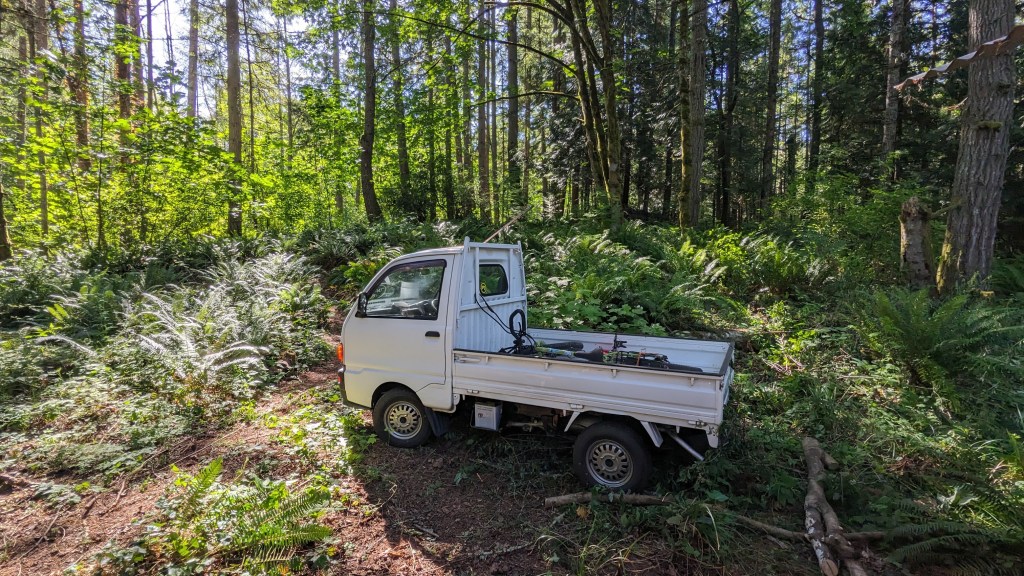
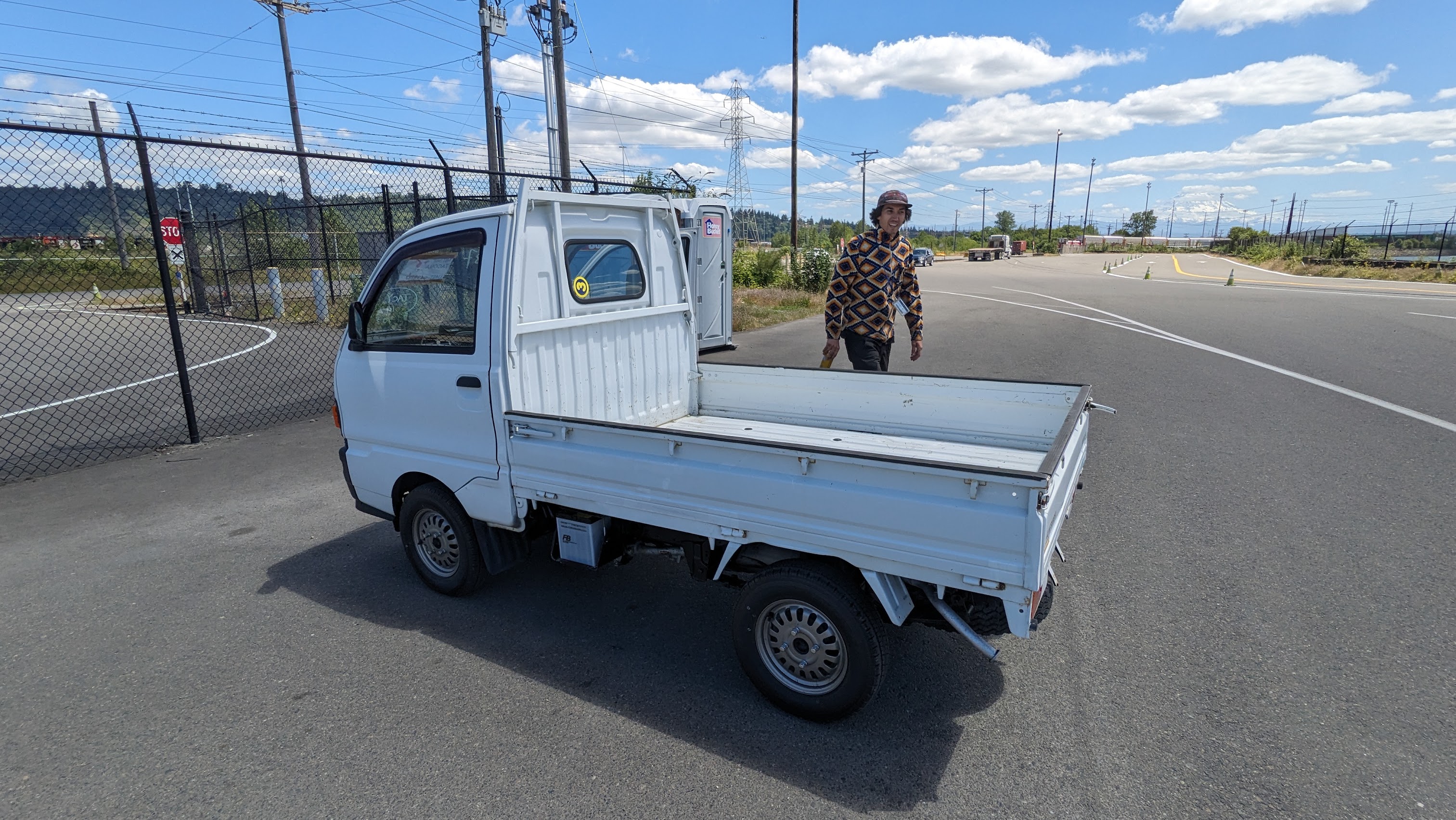
I ordered a Kei (mini) truck from Japan in early May. It got to the Port of Tacoma last week. Today I took my bike on a bus from Seattle down to Tacoma, biked into the port, and then drove it up to the farm.
I bought it through Mitsui. Sound Brokerage helped me navigate the import process, and Tayler Lee who I found through the PNW Kei Owners FB Group, literally walked me through the process of getting it from the port, through Customs and Border Protection, to the Department of Licensing, plated and on my way. The total cost, which included so many people collecting their cut it got really hard to keep track, came in somewhere between $4,200 and $4,700
I highly recommend Mitsui, Sound Brokerage, and Tayler. If I did it again, I’d have Tayler to do what Sound Brokerage did. He’s ramping up an importing business, is super enthusiastic about it, and went far above and beyond expectations.
A long, techy post about the 360 videos I’ve been accumulating…a departure from the quick updates that I’ve been trying to confine them to.
Continue readingI have a design for a septic system approved by the Kitsap County Board of Health.
I submitted an application for a permit to build a driveway. The county has said that I’ll need a Site Development Activity Permit, something I was hoping to avoid having to do by keeping the development small, so I’ve scheduled a Staff Consultation to discuss.
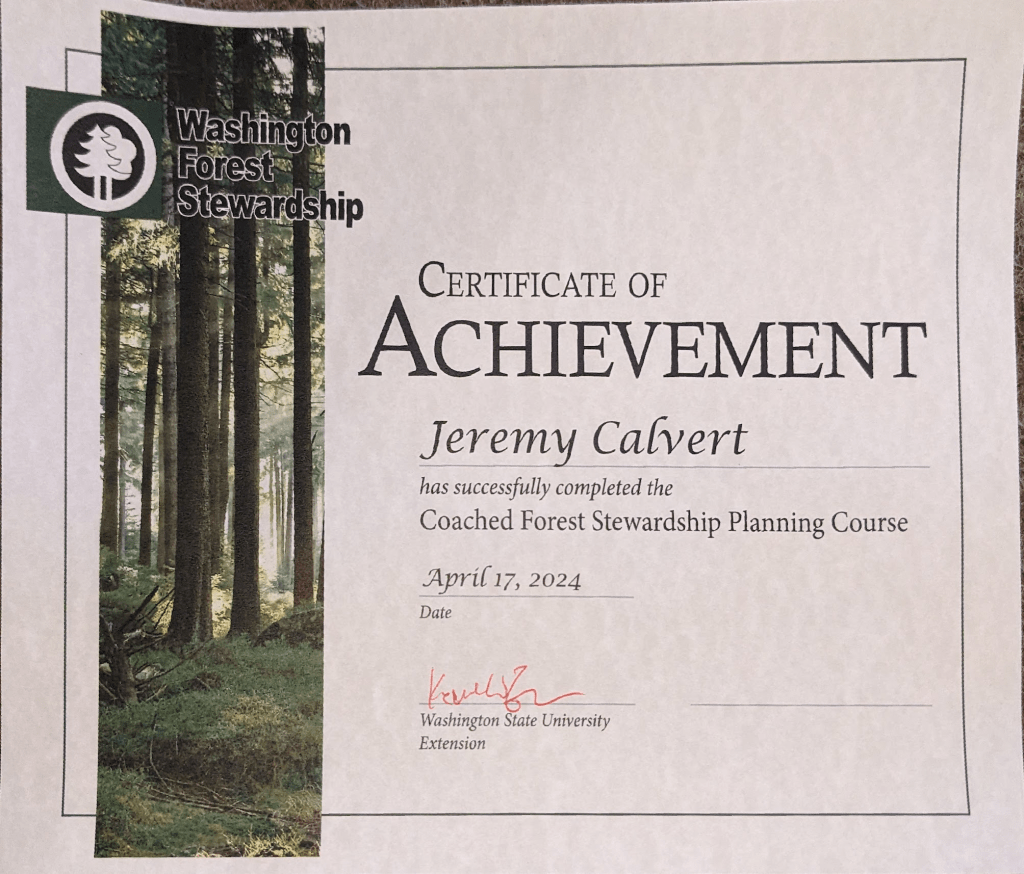
Meanwhile, I finished the coached planning course and am wrapping up my forest management plan.
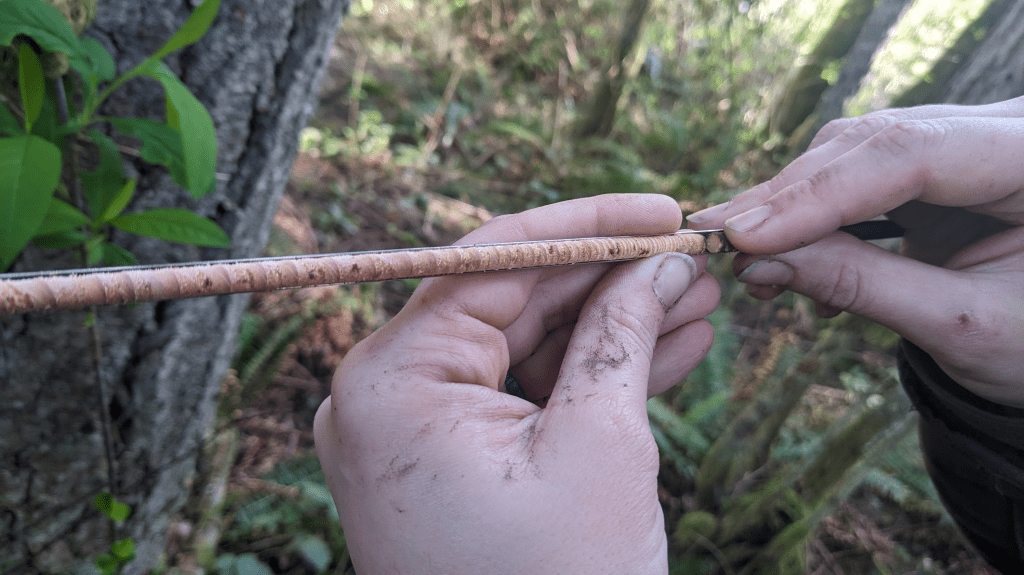
I had a site visit yesterday from a Service Forester with the South Puget Sound Region of the WA State Department of Natural Resources. We walked the property for three hours, took a core sample from one of the average sized Douglas-firs and counted about 70 years of rings, identified an abundance of wild ginger and water parsley in the forested wetland, and discussed a wide variety of plans to support plant and wildlife diversity. We have a clear course towards completing the tree survey for the forest management plan, going with two stands, one for the one acre forested wetland, to the south/west of the stream, and one for the other nine acres.
Not surprisingly, holly and the ivy are the main invasive plants of concern, but overall, the forest is in very good condition. There might even be a possibility of cost sharing the invasive removal and planting the new generation of trees with an eye towards warmer, drier times ahead.
I submitted an on-site sewage (a.k.a. septic) system (OSS) design to the Kitsap Public Health District, and a permit application for an access road (a.k.a. driveway) to the Kitsap County Department of Community Development.
I don’t plan on building a 3BR on the 30’x40′ building footprint, but I’m applying for 3BR in the OSS design to leave open the option of outbuildings with plumbing.
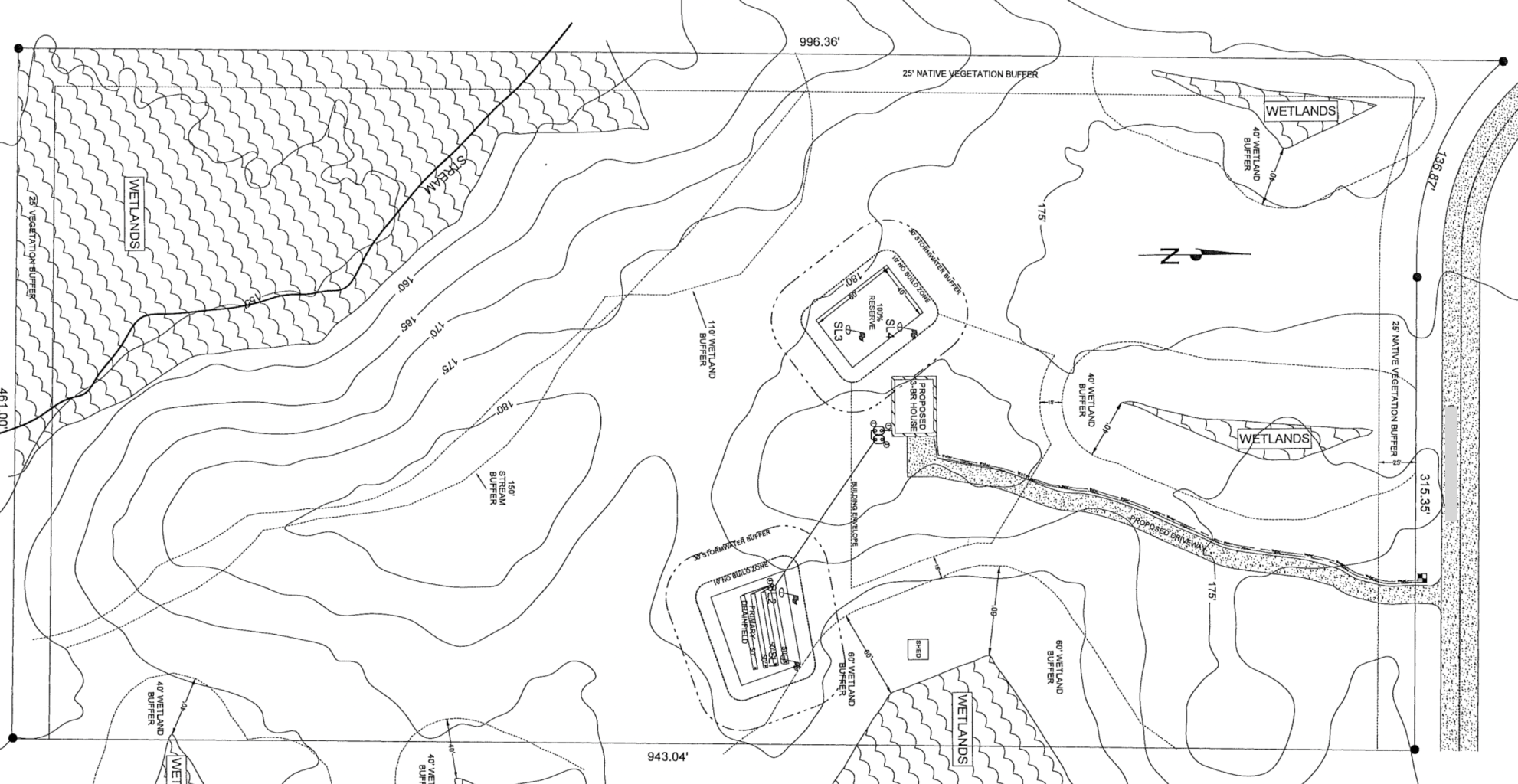
I’m not in any real rush to build, and I want to take my time to get to know the place before I do. But I did want to get the OSS design submitted for approval as soon as possible because the wetlands survey that I was fortunate to get in the title report turns 5 years old this year. My understanding is that that’s the maximum age the board of health will allow them to be for use in OSS design applications.
Last Wednesday, I attended my first in-person session of the Vashon Forest Stewardship Coached Planning, and got some advice on pulling up Holly which included: Don’t just cut down a tree, it’ll come back in 10s or 100s of sprouts. Apparently injecting imazapyr into the cambium is the easiest and most effective way, and according to the label, that’s safe for wetlands.
I’m inclined to avoid the herbicides until I see for myself that there’s really no alternative.
So, I’ve been pulling out the roots since then, and going back to wrestle some holly stumps out of the ground. Had I known how notorious holly is to sprouting after cutting, I might have done things differently…like at least left more of the stem to use for leverage when pulling out the roots.
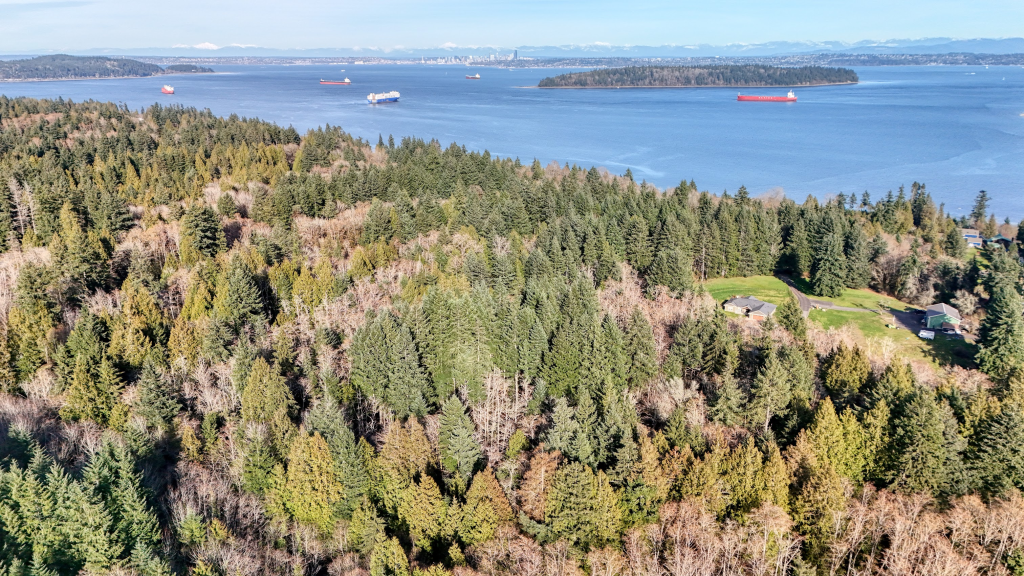
A friend that does aerial drone photography came out to the land and took some photos of Frankenberry from above.
A couple of days later, at the 2024 Western Washington Forest Owners’ Winter School I learned about Forest Health Watch, and the iNaturalist forest health projects they’re running, such as the pilot to track Western Red Cedar Dieback.
Now I’m thinking about ways to leverage aerial photography to track the health of forest canopy.
 Frankenberry Farm